Vinyl siding, a popular choice for homeowners, offers a versatile and durable solution for exterior cladding. From its composition to a wide array of styles and colors, let’s dive into the world of vinyl siding.
Introduction to Vinyl Siding
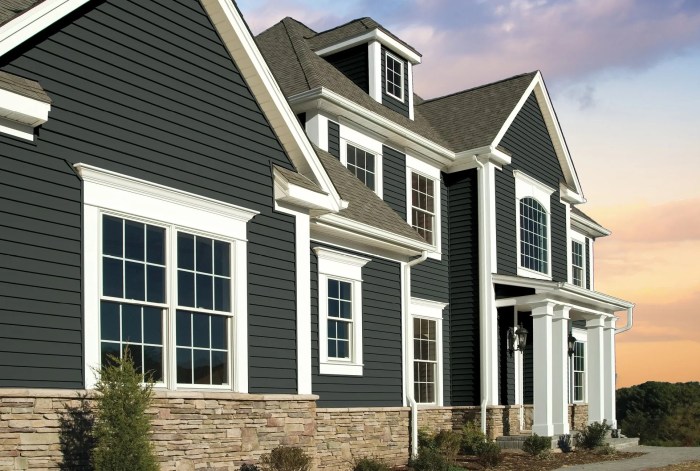
Vinyl siding is a popular choice for homeowners looking to enhance the exterior of their homes. It is made from PVC resin and includes other elements like titanium dioxide and modifiers to give it durability and color retention.
Benefits of Using Vinyl Siding
- Low Maintenance: Vinyl siding is easy to clean and requires minimal upkeep compared to other siding materials.
- Durability: It can withstand harsh weather conditions, such as extreme heat or cold, without warping, cracking, or fading.
- Affordability: Vinyl siding is a cost-effective option for homeowners looking to improve the look of their homes without breaking the bank.
- Energy Efficiency: Insulated vinyl siding can help reduce energy costs by providing better insulation for the home.
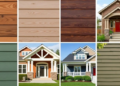
Styles and Colors Available in Vinyl Siding
- Horizontal Lap Siding: This classic style mimics traditional wood siding and is available in a wide range of colors.
- Vertical Siding: Provides a modern look and is available in various textures and colors to suit different architectural styles.
- Shake and Shingle Siding: Gives the appearance of natural wood shakes or shingles but without the maintenance requirements.
- Board and Batten Siding: Features alternating wide boards and narrow strips for a unique aesthetic appeal.
Installation of Vinyl Siding
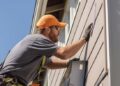
Installing vinyl siding can be a great way to enhance the appearance and durability of your home. Here is a step-by-step guide on how to install vinyl siding, along with the tools and materials required for a successful installation.
Step-by-Step Guide
- Prepare the surface: Make sure the surface is clean, smooth, and free of any obstructions.
- Measure and cut the siding: Measure the length needed for each piece of siding and use a utility knife or tin snips to cut it to size.
- Install the starter strip: Begin by installing the starter strip at the bottom of the wall, making sure it is level.
- Attach the siding panels: Start at one end of the wall and work your way across, overlapping each panel slightly and nailing it into place.
- Finish with trim pieces: Install trim pieces around windows, doors, and corners to give the siding a polished look.
Tools and Materials
- Tools: Utility knife, tin snips, level, hammer, measuring tape, saw, chalk line.
- Materials: Vinyl siding panels, starter strip, trim pieces, nails, J-channel, corner posts.
- Regularly wash your vinyl siding with a mixture of water and mild detergent to remove dirt, dust, and grime.
- Use a soft brush or cloth to scrub the siding gently, avoiding harsh scrubbing that can damage the surface.
- Rinse the siding thoroughly with a garden hose to ensure all soap residue is removed.
- Periodically inspect your vinyl siding for any signs of damage, such as cracks, chips, or warping.
- Address any issues promptly to prevent further damage and maintain the structural integrity of your siding.
- Consider hiring a professional if you notice extensive damage that requires repair or replacement.
- Keep vegetation trimmed away from your vinyl siding to prevent mold and mildew growth.
- Ensure proper ventilation around your home to prevent moisture buildup, which can lead to mold and mildew on the siding.
- If mold or mildew does appear, use a solution of water and bleach to clean the affected areas thoroughly.
Cost Comparison
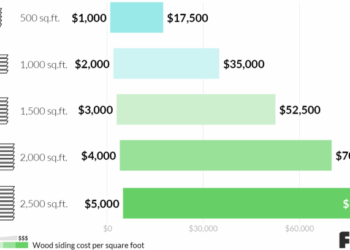
Installing vinyl siding can be done as a DIY project, saving you money on labor costs. However, professional installation ensures a flawless finish and may be worth the investment for a larger project or if you lack experience in siding installation.
The cost of professional installation can vary depending on the size of the project and the contractor’s rates, while DIY installation only requires the cost of materials and tools.
Maintenance and Care of Vinyl Siding
Proper maintenance is essential to ensure the longevity and appearance of your vinyl siding. By following these maintenance tasks and tips, you can keep your vinyl siding looking great for years to come.
Regular Cleaning
Inspecting for Damage
Preventing Mold and Mildew
Durability and Longevity of Vinyl Siding
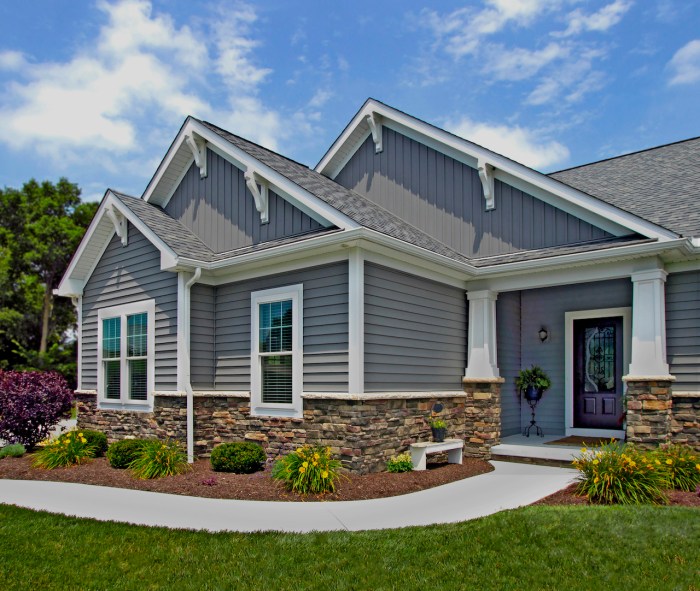
Vinyl siding is known for its durability and longevity, making it a popular choice among homeowners looking for low-maintenance siding options.
Lifespan of Vinyl Siding
Vinyl siding typically has a lifespan of 20 to 40 years, depending on the quality of the material and proper installation. This lifespan is comparable to other siding materials such as wood or aluminum.
Impact of Weather Conditions
Weather conditions can impact the durability of vinyl siding. Extreme temperatures, prolonged exposure to sunlight, heavy winds, and hail can all affect the appearance and longevity of vinyl siding. However, high-quality vinyl siding is designed to withstand these elements and maintain its integrity over time.
Warranties Offered by Manufacturers
Many vinyl siding manufacturers offer warranties on their products to provide homeowners with peace of mind. These warranties can vary in length and coverage, so it’s important to carefully read and understand the terms before making a purchase. Some warranties may cover fading, cracking, or peeling, ensuring that your vinyl siding remains in good condition for years to come.
Final Wrap-Up
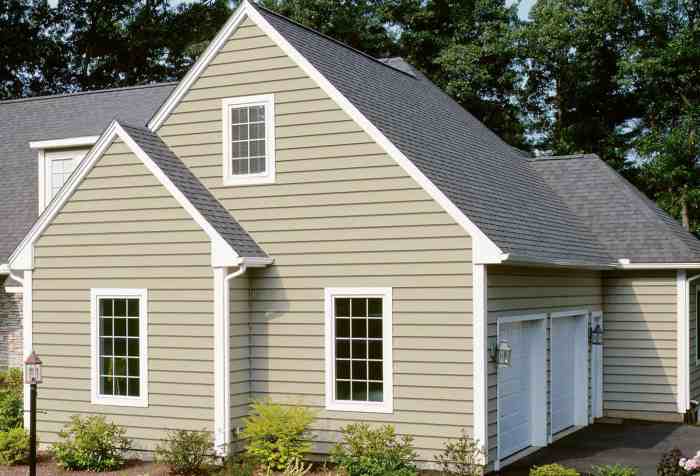
In conclusion, vinyl siding stands as a reliable and low-maintenance option for enhancing the look and protection of your home. With its durability, easy installation, and variety of choices, vinyl siding proves to be a top contender in the realm of exterior materials.
Common Queries
How long does vinyl siding typically last?
Vinyl siding can last anywhere from 20 to 40 years, depending on the quality of the material and proper maintenance.
Can vinyl siding withstand harsh weather conditions?
Yes, vinyl siding is designed to withstand various weather conditions, including strong winds, rain, and extreme temperatures.
Is it possible to paint vinyl siding?
While it is possible to paint vinyl siding, it is important to use the appropriate type of paint and follow specific preparation steps for long-lasting results.