Siding materials play a crucial role in the construction industry, offering a wide range of options to enhance the durability and aesthetics of buildings. From classic wood to modern fiber cement, each material has its own unique characteristics that cater to different needs and preferences.
Let’s delve into the world of siding materials to uncover the key aspects that define their use and impact.
Types of Siding Materials
When it comes to siding materials used in construction, there are several options available, each with its own set of characteristics and benefits. Some of the most common types of siding materials include wood, vinyl, fiber cement, and metal.
Wood Siding
Wood siding is known for its natural and timeless look, adding warmth and character to a home. It is relatively easy to install and repair, but it does require regular maintenance such as painting or staining to protect it from the elements.
Wood siding can be susceptible to rot, pests, and moisture damage if not properly maintained.
Vinyl Siding
Vinyl siding is a popular choice due to its low cost, easy maintenance, and durability. It is available in a wide range of colors and styles, making it a versatile option for many homeowners. Vinyl siding is resistant to rot, pests, and moisture, and it does not require painting.
However, it can crack or fade over time, especially in extreme weather conditions.
Fiber Cement Siding
Fiber cement siding is a durable and low-maintenance option that is resistant to fire, rot, pests, and moisture. It is available in a variety of textures and can mimic the look of wood or masonry. Fiber cement siding is known for its longevity and can last for decades with minimal maintenance.
However, it is heavier than other siding materials and may require professional installation.
Metal Siding
Metal siding, such as aluminum or steel, is a strong and durable option that is resistant to fire, rot, pests, and moisture. It is lightweight and easy to install, making it a popular choice for commercial buildings. Metal siding is also low maintenance and can last for many years without needing to be replaced.
However, it may dent or scratch easily, and it can be prone to rust if not properly treated.
Pros and Cons of Different Siding Materials
Vinyl siding, fiber cement siding, wood siding, and metal siding are popular choices for homeowners. Each material comes with its own set of advantages and disadvantages that should be considered before making a decision.
Advantages of Vinyl Siding over Wood Siding
- Requires minimal maintenance compared to wood siding, which needs regular painting and staining.
- Cost-effective option in terms of initial installation and long-term upkeep.
- Resistant to rot, insects, and moisture, making it a durable choice for various climates.
Drawbacks of Fiber Cement Siding compared to Metal Siding
- Requires more labor-intensive installation due to its heavy weight and brittle nature, increasing installation costs.
- Prone to cracking and chipping over time, requiring regular maintenance and repairs.
- Not as resistant to extreme weather conditions as metal siding, making it less suitable for harsh climates.
Examples of where each Siding Material works Best based on Climate Conditions
| Climate Condition | Best Siding Material |
|---|---|
| Humid and rainy climate | Vinyl siding due to its moisture resistance |
| Extreme cold or hot climate | Metal siding for its durability and thermal insulation properties |
| Moderate climate with seasonal changes | Wood siding for its natural aesthetic appeal |
Cost Analysis of Siding Materials
Brick veneer siding and engineered wood siding are two popular choices for homeowners looking to enhance the exterior of their homes. Let’s delve into the cost analysis of these siding materials, as well as the long-term cost-effectiveness of investing in high-quality options like these.
Brick Veneer Siding vs. Engineered Wood Siding
When comparing the cost of brick veneer siding to engineered wood siding, it’s important to consider the upfront expenses as well as the long-term savings. Brick veneer siding tends to be more expensive to install initially due to the cost of materials and labor.
On the other hand, engineered wood siding typically offers a more budget-friendly option for homeowners looking to achieve a similar aesthetic. However, it’s essential to factor in the maintenance costs over time, as brick veneer siding often requires less upkeep compared to engineered wood siding, potentially leading to cost savings in the long run.
High-Quality Siding Materials Investment
Investing in high-quality siding materials may come with a higher initial cost, but it can prove to be a cost-effective decision in the long term. High-quality siding materials are typically more durable and require less maintenance, which can result in savings on repairs and replacements over time.
Additionally, these materials often come with warranties that provide added peace of mind for homeowners. By choosing high-quality siding materials, homeowners can potentially save money in the long run and increase the value of their property.
Aluminum Siding vs. Fiber Cement Siding Installation Costs
When comparing the initial installation costs of aluminum siding to fiber cement siding, it’s essential to consider the pricing of materials and labor. Aluminum siding is generally more affordable to install compared to fiber cement siding, making it a popular choice for budget-conscious homeowners.
However, fiber cement siding offers benefits such as durability and low maintenance requirements, which can result in long-term cost savings. While the initial cost of fiber cement siding may be higher, its longevity and resistance to elements can make it a cost-effective investment over time.
Environmental Impact of Siding Materials
Recycled materials play a crucial role in reducing the environmental impact of siding production. By utilizing recycled materials, we can decrease the need for extracting raw resources, ultimately leading to lower energy consumption and reduced waste generation.
Eco-friendliness of Recycled Materials
When recycled materials are used in siding production, it helps in conserving natural resources and reducing carbon emissions. By repurposing materials like reclaimed wood or recycled plastic, we can minimize the environmental footprint associated with manufacturing new siding materials.
Energy Efficiency in Buildings
Different siding materials have varying impacts on the energy efficiency of buildings. For example, insulated siding can improve a building’s thermal performance, reducing the need for excessive heating or cooling. This can lead to lower energy consumption and decreased greenhouse gas emissions over time.
Sustainability of Wood vs. Synthetic Siding
Wood siding is considered more sustainable than synthetic materials like vinyl or aluminum because wood is a renewable resource. However, it’s essential to ensure that the wood used is sourced from responsibly managed forests to maintain its sustainability. On the other hand, synthetic siding materials may have a longer lifespan and require less maintenance, but they are derived from non-renewable resources and can have a higher environmental impact during production.
Design and Aesthetic Considerations
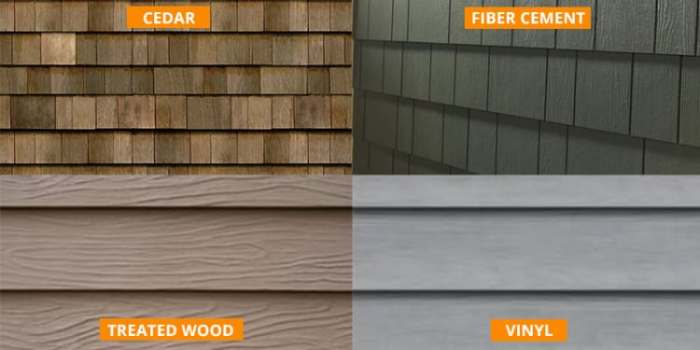
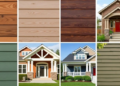
When it comes to choosing siding materials for a building, design and aesthetic considerations play a crucial role in enhancing curb appeal and complementing the architectural style. The texture, color, and overall look of the siding can greatly impact the visual appeal of a structure.
Enhancing Curb Appeal with Siding Materials
Selecting the right siding material can significantly enhance the curb appeal of a building. For example, using natural wood siding can add a warm and inviting look, while metal siding can give a modern and sleek appearance. It’s important to consider the existing architectural style and surrounding environment when choosing a siding material to ensure a cohesive and visually appealing result.
Complementing Architectural Styles with Textures and Colors
Different textures and colors of siding materials can complement specific architectural styles. For instance, vertical siding can enhance the height of a building, while horizontal siding can create a sense of width. Additionally, choosing colors that contrast or blend with the existing color palette of the building can create a harmonious and visually pleasing effect.
Selecting the Right Siding Material for Desired Aesthetic Look
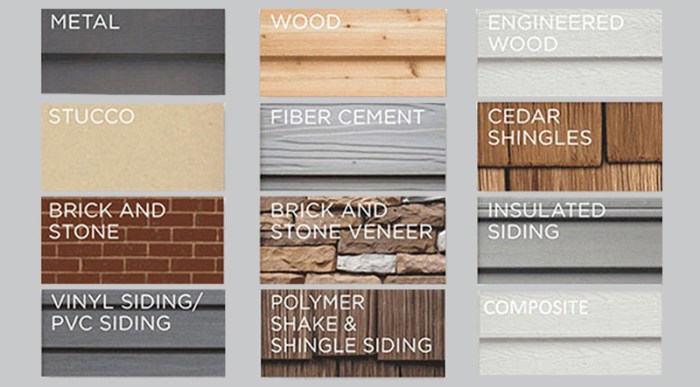
When selecting a siding material for a building, it’s essential to consider the desired aesthetic look. For a traditional appearance, options like brick or stone veneer can be ideal, while for a more contemporary look, materials like fiber cement or metal siding may be more suitable.
It’s crucial to take into account factors such as maintenance requirements, durability, and cost when choosing a siding material to achieve the desired aesthetic outcome.
Ending Remarks
In conclusion, siding materials are not just functional components of a building but also key design elements that contribute to its overall appeal and sustainability. By understanding the various types, costs, environmental impacts, and design considerations of siding materials, individuals can make informed decisions when selecting the most suitable option for their projects.
Embrace the versatility and creativity that siding materials offer to transform ordinary structures into extraordinary architectural marvels.
FAQ Corner
What are the key factors to consider when choosing siding materials?
When selecting siding materials, factors such as durability, maintenance requirements, cost, environmental impact, and design aesthetics should be taken into account to ensure the best choice for your specific needs.
Which siding material is most cost-effective in the long run?
Investing in high-quality siding materials like fiber cement or metal may have a higher initial cost but can be more cost-effective in the long term due to their durability and low maintenance requirements.
How do different siding materials affect energy efficiency in buildings?
Siding materials with good insulation properties, such as vinyl or fiber cement, can contribute to improved energy efficiency by reducing heat loss or gain through walls, ultimately leading to lower energy consumption.