Starting off with siding maintenance, this introductory paragraph aims to grab the readers’ attention and provide a glimpse into the importance of regular upkeep for the longevity of buildings.
Exploring different types of siding materials, routine maintenance tasks, and seasonal maintenance tips, this guide covers all aspects of maintaining siding effectively.
Importance of Siding Maintenance
Regular siding maintenance is crucial for the longevity of a building as it serves as the first line of defense against the elements. Proper maintenance can help prevent water damage, mold growth, and insect infestations, which can all compromise the structural integrity of a building.
Costly Repairs and Structural Damage
Neglecting siding maintenance can lead to costly repairs and structural damage. For example, if water seeps behind the siding due to cracks or gaps, it can lead to rotting of the underlying structure, such as the wooden frame of the building.
This can weaken the entire structure and require extensive repairs to fix.
Common Issues from Poor Siding Maintenance
- Warping or buckling of siding panels due to moisture infiltration.
- Mold and mildew growth, which can pose health risks and degrade the siding material.
- Peeling or chipping paint, leading to exposure of the siding to the elements.
- Pest infestations, such as termites, attracted to damp and decaying siding materials.
Types of Siding Materials
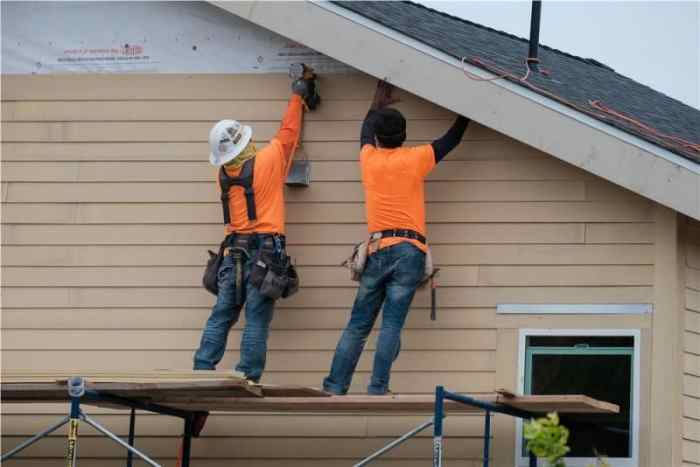
When it comes to siding materials, there are several options available, each with its own set of maintenance requirements. Let’s take a look at some of the most common types of siding materials used in construction and compare their maintenance needs.
Vinyl Siding
Vinyl siding is a popular choice due to its durability, low maintenance, and affordability. It requires regular cleaning with a mild detergent and water to prevent mold and mildew growth. However, it can crack or warp in extreme weather conditions.
Wood Siding
Wood siding provides a natural and traditional look to a home but requires more maintenance compared to other materials. It needs to be stained or painted every few years to prevent rotting, warping, or insect damage. Regular inspections for moisture and termite issues are also essential.
Fiber Cement Siding
Fiber cement siding is known for its durability and resistance to fire, rot, and insects. Maintenance includes regular painting to prevent chipping or fading. It is important to inspect for any cracks or gaps where moisture can seep in.
Aluminum Siding
Aluminum siding is lightweight and easy to install, but it can dent easily and may require repainting every few years to maintain its appearance. Regular cleaning with a mild detergent and water is necessary to prevent corrosion.
Brick Siding
Brick siding is durable and requires minimal maintenance, mainly consisting of occasional cleaning to remove dirt or moss buildup. However, mortar joints may need repointing over time to prevent water damage.
Engineered Wood Siding
Engineered wood siding offers the look of real wood with less maintenance. It needs to be painted or stained periodically and inspected for any signs of moisture intrusion to avoid rotting.
Stone Veneer Siding
Stone veneer siding provides a luxurious appearance but requires minimal maintenance. Regular cleaning to remove dirt or debris is recommended, along with inspections for any loose stones or mortar.
Routine Maintenance Tasks
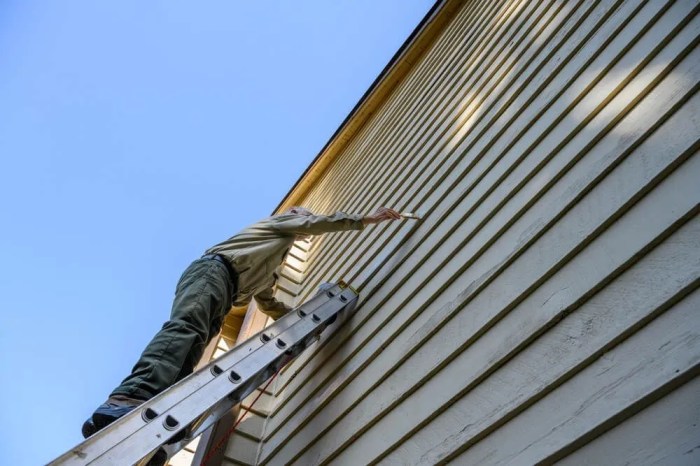
Regular maintenance tasks are essential to ensure your siding remains in good condition and prolong its lifespan. By performing these tasks, you can prevent damage and keep your home looking its best.
Cleaning Your Siding
- Start by rinsing the siding with a garden hose to remove loose dirt and debris.
- Prepare a solution of mild soap and water, and use a soft brush or cloth to scrub the siding gently.
- Rinse the siding thoroughly with clean water to remove all soap residue.
- For tougher stains, you may need to use a specialized cleaner recommended for your siding material.
- Repeat this cleaning process at least once a year to maintain the appearance of your siding.
Inspecting for Damage
- Regularly inspect your siding for signs of damage such as cracks, warping, or discoloration.
- Check for mold or mildew growth, which can indicate moisture issues that need to be addressed.
- Look for gaps or loose pieces of siding that may need to be reattached or replaced.
- If you notice any significant damage or issues beyond your expertise, contact a professional for assistance.
Seasonal Maintenance Tips
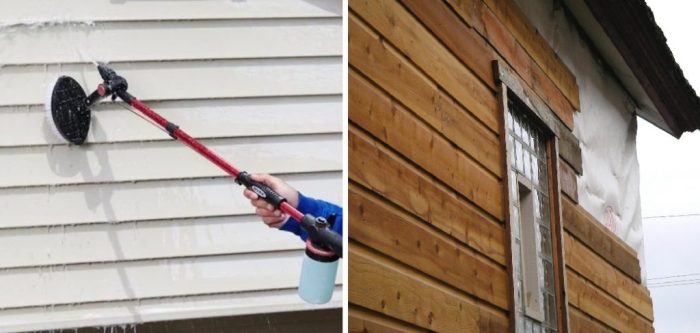
Proper maintenance of siding throughout the year is essential to ensure its longevity and performance. Different seasons bring varying weather conditions that can impact the condition of your siding. Here are some seasonal maintenance tips to help you keep your siding in top shape:
Spring
- Inspect siding for any damage caused by winter weather.
- Clean siding with a mild detergent and water to remove dirt and debris.
- Trim any overgrown vegetation that may be touching the siding.
Summer
- Check for signs of warping or buckling due to heat exposure.
- Power wash siding to remove built-up grime and mold.
- Consider applying a fresh coat of paint or sealant to protect the siding.
Fall
- Remove leaves and debris from gutters to prevent water damage to siding.
- Inspect for any cracks or gaps where pests could enter.
- Consider applying weatherproofing treatment to prepare for winter.
Winter
- Clear snow and ice away from the siding to prevent water damage.
- Check for signs of moisture buildup or mold growth.
- Ensure proper insulation to prevent freezing and thawing damage.
Ending Remarks
Wrapping up our discussion on siding maintenance, it’s clear that regular upkeep is key to preventing costly repairs and structural damage. By following the tips and guidelines Artikeld in this guide, you can ensure that your siding remains in top condition for years to come.
Key Questions Answered
What are the consequences of neglecting siding maintenance?
Neglecting siding maintenance can lead to issues such as mold growth, water damage, and reduced energy efficiency.
How often should siding be inspected for damage?
It’s recommended to inspect siding at least twice a year, ideally in the spring and fall, to catch any issues early.
Can I pressure wash all types of siding materials?
While pressure washing is effective for some siding materials, it can damage others like wood or vinyl. Always check manufacturer guidelines.