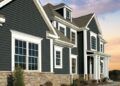
House siding types set the stage for this enthralling narrative, offering readers a glimpse into a story that is rich in detail and brimming with originality from the outset. From vinyl to wood to metal siding, each material brings its unique characteristics and considerations to the table, making the choice of siding an important decision for homeowners.
Common House Siding Types
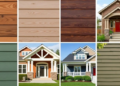
When it comes to choosing the right siding for your home, there are various materials to consider. Each type of siding has its own characteristics, durability, maintenance requirements, and cost implications. Let’s explore some common house siding types below:
Vinyl Siding
- Characteristics: Vinyl siding is a popular choice due to its affordability, versatility, and low maintenance.
- Durability: It is resistant to rot, insect damage, and fading, making it a long-lasting option.
- Maintenance: Requires occasional cleaning with a hose and soap to maintain its appearance.
- Cost: Vinyl siding is one of the most cost-effective options available.
Wood Siding
- Characteristics: Wood siding provides a natural and traditional look to a home.
- Durability: Depending on the type of wood used, it can be durable but may require more maintenance to prevent rot or insect damage.
- Maintenance: Regular painting or staining is necessary to protect the wood from the elements.
- Cost: Wood siding can be more expensive than vinyl but offers a unique aesthetic appeal.
Fiber Cement Siding
- Characteristics: Fiber cement siding is a durable and low-maintenance option that mimics the look of wood or stucco.
- Durability: Resistant to fire, rot, insects, and harsh weather conditions, making it a long-lasting choice.
- Maintenance: Requires minimal maintenance, such as occasional cleaning and repainting every 10-15 years.
- Cost: Fiber cement siding falls in the mid to high range in terms of cost but offers excellent durability.
Brick Siding
- Characteristics: Brick siding provides a classic and timeless appearance to a home.
- Durability: Extremely durable and can last for decades without needing replacement.
- Maintenance: Requires little to no maintenance, other than occasional cleaning.
- Cost: Brick siding is one of the most expensive options due to material and installation costs.
Vinyl Siding
Vinyl siding is a popular choice for homeowners due to its durability, low maintenance, and versatility in design. It offers a cost-effective solution for improving the appearance and protection of a house.
Benefits of Vinyl Siding
- Low maintenance: Vinyl siding requires minimal upkeep, saving time and money on painting or staining.
- Durability: Resistant to rot, insect damage, and harsh weather conditions, vinyl siding can last for many years.
- Versatility: Available in a wide range of colors, textures, and styles, vinyl siding can complement any architectural design.
- Cost-effective: Compared to other siding materials, vinyl siding is relatively affordable and offers a good return on investment.
Installation Process of Vinyl Siding
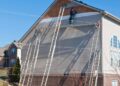
- Preparation: The existing siding is removed, and the walls are inspected and repaired if necessary.
- Installation of underlayment: A moisture barrier is installed to protect the house from water infiltration.
- Installing the siding panels: Starting from the bottom, the panels are interlocked and secured to the walls.
- Finishing touches: J-channels, corner posts, and trim pieces are added to complete the installation.
Color Options in Vinyl Siding
- Wide range of colors: Vinyl siding is available in various shades, from neutrals to bold hues, allowing homeowners to customize the look of their homes.
- Color retention: Vinyl siding is designed to resist fading, ensuring long-lasting vibrancy and curb appeal.
- Cohesive design: Matching accessories like trim and shutters are available to create a cohesive color scheme for the exterior of the house.
Environmental Impact of Vinyl Siding Production
- Energy-efficient manufacturing: Advances in technology have reduced the energy consumption in producing vinyl siding, making it more environmentally friendly.
- Recyclable material: Vinyl siding can be recycled at the end of its lifespan, reducing waste in landfills.
- Longevity: The durability of vinyl siding means fewer replacements are needed, reducing the overall environmental impact of manufacturing and transportation.
Wood Siding
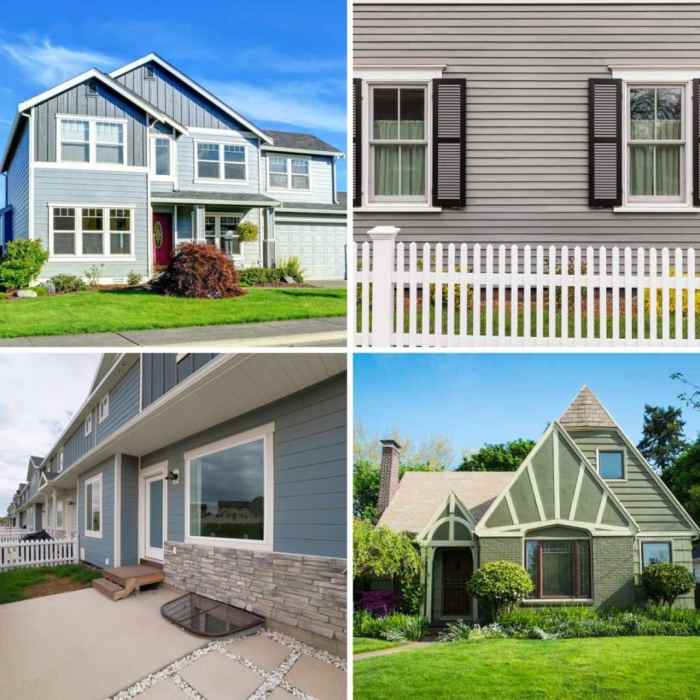
Wood siding is a popular choice for homeowners due to its natural beauty and timeless appeal. There are several types of wood commonly used for siding, each with its unique characteristics and benefits.
Types of Wood for Siding
- Cedar: Known for its durability and resistance to rot and insects, cedar is a popular choice for wood siding.
- Pine: Pine is a more affordable option compared to cedar, but it requires regular maintenance to prevent decay.
- Redwood: Redwood is a premium choice for wood siding, prized for its rich color and natural resistance to decay.
Maintenance Requirements
Wood siding requires regular maintenance to ensure its longevity and beauty. This includes painting or staining every few years to protect the wood from moisture and UV damage. Additionally, regular inspections for signs of rot or insect infestation are essential to address any issues promptly.
Aesthetic Appeal
The warm, natural look of wood siding adds character and charm to any home. It can be stained or painted in a variety of colors to suit different architectural styles, making it a versatile choice for homeowners looking to enhance their curb appeal.
Cost Comparison
| Wood Type | Cost per Square Foot |
|---|---|
| Cedar | $5
|
| Pine | $3
|
| Redwood | $7
|
Fiber Cement Siding
Fiber cement siding is a popular choice for homeowners looking for a durable and low-maintenance option for their homes. It is made from a mixture of cement, sand, and cellulose fibers, resulting in a strong and weather-resistant material.
Composition of Fiber Cement Siding
Fiber cement siding is composed of:
- Cement
- Sand
- Cellulose fibers
Advantages of Fiber Cement Siding
Some advantages of fiber cement siding include:
- High durability and resistance to rot, fire, and pests
- Low maintenance requirements
- Wide range of styles and colors available
Installation Process for Fiber Cement Siding
The installation process for fiber cement siding typically involves:
- Preparation of the surface
- Cutting and fitting the siding panels
- Securing the panels in place
- Finishing touches and caulking
Longevity of Fiber Cement Siding
Compared to other siding types, fiber cement siding is known for its longevity. With proper maintenance, fiber cement siding can last for several decades, outlasting materials like wood and vinyl.
Metal Siding
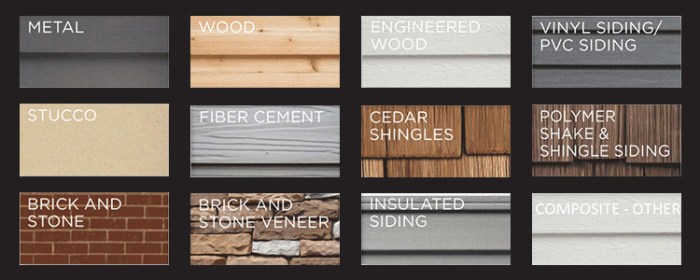
Metal siding is a popular choice for homeowners looking for a durable and low-maintenance option to protect their homes. Let’s explore the benefits and features of metal siding.
Examples of Metals Used for Siding
Metal siding can be made from various materials, including aluminum, steel, and zinc. Each metal has its own unique characteristics and advantages when used as siding for homes.
Benefits of Metal Siding in Terms of Durability
- Metal siding is highly durable and can withstand extreme weather conditions such as heavy rain, snow, and strong winds.
- It is resistant to rot, mold, and insect damage, making it a long-lasting option for homeowners.
- Metal siding is also fire-resistant, providing an added layer of protection for your home.
Insulation Properties of Metal Siding
- Metal siding can be insulated to improve energy efficiency in your home, helping to reduce heating and cooling costs.
- Proper insulation can also help regulate indoor temperatures and create a more comfortable living environment.
- Some metal siding options come with built-in insulation, further enhancing the energy-saving benefits of this material.
Cost Comparison of Metal Siding
While metal siding may have a higher upfront cost compared to materials like vinyl or wood, it is a cost-effective option in the long run due to its durability and low maintenance requirements. Additionally, the energy-saving benefits of insulated metal siding can lead to lower utility bills over time.
End of Discussion
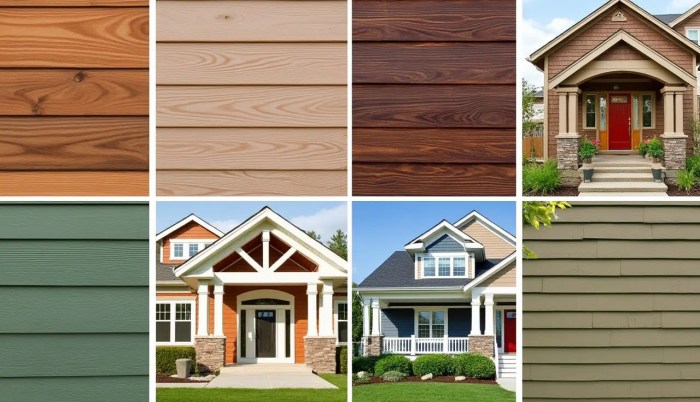
In conclusion, the world of house siding types is vast and varied, offering a plethora of options to suit different preferences and needs. Whether you prioritize durability, aesthetics, or environmental impact, there is a siding material out there for you.
With the right information and guidance, you can make an informed decision that enhances both the look and functionality of your home.
Popular Questions
What are the most common types of house siding materials?
Common house siding materials include vinyl, wood, fiber cement, and metal.
Which house siding material offers the best durability?
Fiber cement siding is known for its exceptional durability and low maintenance requirements.
Are there eco-friendly options among house siding materials?
Wood siding is considered more environmentally friendly compared to vinyl or metal siding.