Fiber cement, a versatile building material, is the star of the show in this exploration. From its unique composition to its wide range of applications, prepare to be captivated by the world of fiber cement.
As we delve deeper, you’ll uncover the secrets behind its manufacturing process, its sustainability, and its durability that set it apart from traditional materials.
What is Fiber Cement?
Fiber cement is a composite material made from cement, sand, and cellulose fibers. These fibers, typically made from wood pulp, are added to provide strength and flexibility to the final product. The manufacturing process involves mixing the raw materials, forming them into sheets or boards, and then curing them under high pressure and heat to create a durable building material.
Composition and Manufacturing Process
Fiber cement is composed of cement, sand, and cellulose fibers. The cellulose fibers are usually sourced from wood pulp or other plant-based materials. These ingredients are mixed together in precise proportions to form a slurry, which is then pressed and cured to create sheets or boards of fiber cement.
The high pressure and heat during the curing process ensure a strong and durable final product.
Applications of Fiber Cement
Fiber cement is commonly used in various construction applications, including siding, roofing, and trim. It is also used for facades, backer boards for tile installation, and as a substitute for asbestos in some applications. Fiber cement is popular for its durability, fire resistance, and low maintenance requirements, making it a versatile choice for both residential and commercial buildings.
Advantages of Fiber Cement
- 1. Durability: Fiber cement is highly durable and resistant to rot, impact, and pests, making it a long-lasting building material.
- 2. Fire Resistance: Fiber cement is non-combustible and can help improve the fire safety of a structure.
- 3. Low Maintenance: Fiber cement requires minimal maintenance compared to other materials like wood, reducing long-term costs.
- 4. Versatility: Fiber cement can be shaped and colored to mimic other materials like wood or stone, offering a wide range of design options.
Types of Fiber Cement Products
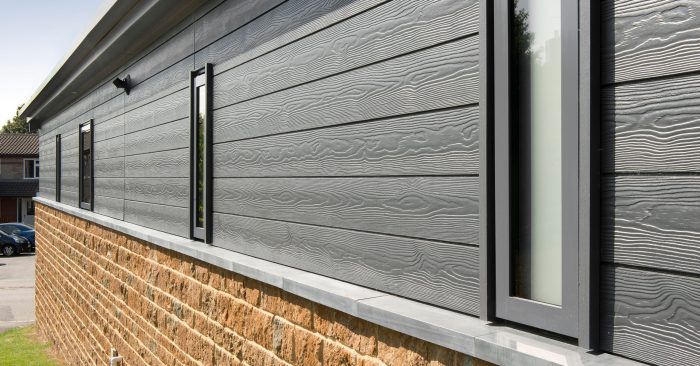
Fiber cement products come in various types, each with unique features and applications. These products are known for their durability and low maintenance requirements, making them popular choices for residential and commercial construction projects.
Siding
Fiber cement siding is a popular choice for cladding exterior walls due to its durability, fire resistance, and resistance to insects and rot. It comes in a variety of styles, textures, and colors, mimicking the look of wood, stucco, or stone.
Fiber cement siding requires minimal maintenance, typically only needing to be repainted every 10-15 years.
Roofing
Fiber cement roofing products are strong, durable, and resistant to harsh weather conditions. They are also fire resistant and can last for decades with proper installation and maintenance. Fiber cement roofing tiles or shingles come in different profiles and finishes to suit various architectural styles.
Trim
Fiber cement trim products are used to provide a finishing touch to windows, doors, and corners of buildings. They are resistant to moisture, insects, and rot, making them a long-lasting option for enhancing the aesthetics of a structure. Fiber cement trim is available in various shapes and sizes to match different design requirements.
Installation and Maintenance
Installing fiber cement products like siding or roofing requires careful attention to detail to ensure longevity and proper function. Proper maintenance is key to preserving the quality of fiber cement and preventing common issues that may arise during installation.
Installation Steps
- Prepare the surface: Ensure the surface where the fiber cement product will be installed is clean, dry, and free of any debris.
- Measure and cut: Accurately measure and cut the fiber cement product to fit the intended area, taking care to follow manufacturer guidelines.
- Install the product: Use appropriate fasteners and techniques recommended by the manufacturer to secure the fiber cement product in place.
- Seal and finish: Seal the edges and joints of the installed fiber cement product to prevent moisture infiltration and finish with paint or coating as required.
Maintenance Tips
- Regular inspection: Periodically inspect the fiber cement product for any signs of damage, such as cracks or chips, and address them promptly.
- Cleaning: Clean the fiber cement surface regularly with mild soap and water to remove dirt, mold, or mildew buildup.
- Recaulk when needed: Check and replace caulking around seams and joints as necessary to maintain a watertight seal.
- Repaint if necessary: Repaint the fiber cement product when the paint starts to fade or chip to protect it from the elements.
Common Issues and Solutions
- Moisture damage: Ensure proper installation with adequate sealing to prevent moisture infiltration, which can lead to rot or mold growth.
- Cracking: Monitor for any cracks in the fiber cement product and repair them promptly to prevent further damage.
- Poor ventilation: Proper ventilation is crucial to prevent moisture buildup behind the fiber cement product, leading to potential issues.
Environmental Impact
Fiber cement is known for its sustainability and eco-friendly aspects, making it a popular choice for environmentally conscious builders and homeowners.
Sustainability of Fiber Cement
Fiber cement is a sustainable building material compared to others like vinyl or wood. It is made from natural materials like cement, sand, and cellulose fibers, reducing its impact on the environment.
Eco-friendly Aspects
- Fiber cement is non-toxic and does not emit harmful chemicals, contributing to better indoor air quality.
- It is resistant to rot, pests, and fire, reducing the need for frequent replacements and chemical treatments.
- The durability of fiber cement means less waste over time, as it has a longer lifespan than many other building materials.
Recyclability and Energy Efficiency
- Fiber cement products can often be recycled and reused, reducing the amount of waste that ends up in landfills.
- Manufacturing fiber cement requires less energy compared to other materials like aluminum or steel, making it more energy-efficient overall.
Ending Remarks
As we conclude our journey through the realm of fiber cement, remember the unparalleled advantages it offers in construction and design. With its eco-friendly nature and lasting performance, fiber cement stands as a beacon of innovation in the building industry.
Popular Questions
What are the main components of fiber cement?
Fiber cement typically consists of cement, sand, cellulose fibers, and water. These materials combine to create a durable and versatile product.
How long does fiber cement siding last?
Fiber cement siding can last upwards of 50 years with proper installation and maintenance. It is known for its longevity and resistance to elements.
Is fiber cement environmentally friendly?
Yes, fiber cement is considered eco-friendly due to its sustainable manufacturing process and recyclability. It is a great choice for those looking to reduce their environmental impact.