Exploring the average siding cost per square foot opens the door to a world of considerations and choices. This guide aims to shed light on the key factors influencing costs, the various materials available, labor expenses, regional price differences, and additional costs to help you navigate your siding project with confidence.
Factors Affecting Siding Costs
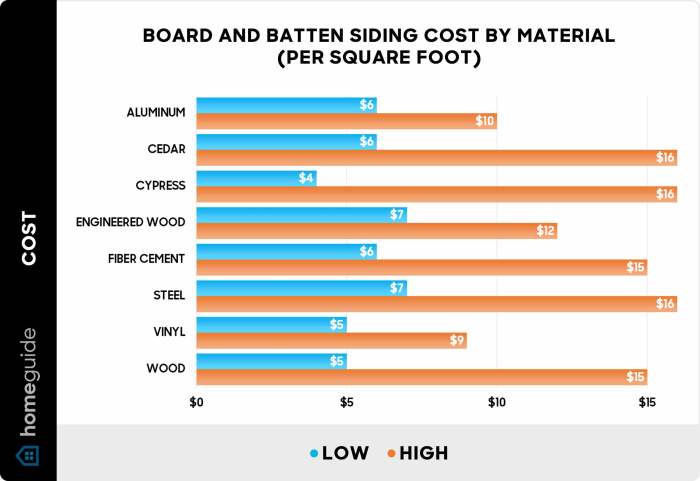
When considering the cost of siding per square foot, several factors come into play that can influence the overall price. Understanding these factors can help homeowners make informed decisions about their siding choices and budget accordingly.
Material Type
The type of material used for siding is a significant factor in determining the cost per square foot. For example, vinyl siding is generally more affordable than wood or fiber cement siding. The quality, durability, and maintenance requirements of each material can also impact the overall price.
Siding Design and Style
The design and style of the siding can also affect costs. Intricate designs, unique textures, and custom colors may increase the price per square foot compared to standard, simple siding options. Additionally, the size and shape of the house, as well as any architectural details that require special attention during installation, can impact the overall cost.
Labor Costs
Labor costs play a significant role in the total cost of siding installation. Factors such as the complexity of the project, the experience of the contractor, and the location of the home can all influence labor costs. More labor-intensive projects or those in high-cost-of-living areas may have higher installation costs per square foot.
Additional Features and Accessories
Adding extra features or accessories to the siding project can also increase the cost per square foot. This includes items such as trim pieces, corner posts, soffits, and fascia. Choosing high-end or custom accessories will add to the overall price of the siding installation.
Location and Climate
The location of the home and the climate of the area can impact siding costs as well. Homes in regions with extreme weather conditions may require more durable and weather-resistant siding materials, which can be more expensive. Additionally, labor costs can vary based on the local market and availability of skilled contractors in the area.
Types of Siding Materials
When it comes to siding materials, there are several popular options used in construction. Each material comes with its own set of pros and cons, which can impact the overall cost per square foot.
Vinyl Siding
Vinyl siding is one of the most common choices due to its affordability. The average cost per square foot for vinyl siding ranges from $3 to $7. It is low maintenance, durable, and comes in a variety of colors and styles.
However, it may not be as environmentally friendly as other options and can crack or fade over time.
Fiber Cement Siding
Fiber cement siding is known for its durability and resistance to fire, rot, and pests. The average cost per square foot for fiber cement siding is between $5 to $12. It can mimic the look of wood or masonry but requires more maintenance than vinyl siding.
Wood Siding
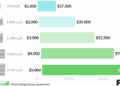
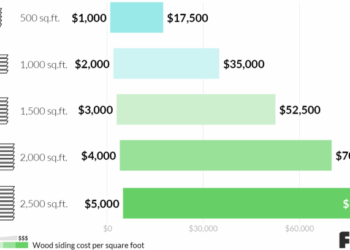
Wood siding provides a natural and timeless look to a home. The average cost per square foot for wood siding ranges from $6 to $10. It is environmentally friendly and can be painted or stained in various colors. However, wood siding requires regular maintenance to prevent rot, pests, and weather damage.
Aluminum Siding
Aluminum siding is lightweight, durable, and resistant to fire and pests. The average cost per square foot for aluminum siding is between $5 to $9. It is easy to install and comes in a variety of colors. However, aluminum siding can dent easily and may not be as energy-efficient as other materials.
Stone Veneer Siding
Stone veneer siding provides a luxurious and elegant look to a home. The average cost per square foot for stone veneer siding ranges from $8 to $20. It is durable, low maintenance, and can increase the value of a property.
However, it is one of the most expensive siding options and may require additional structural support.
Labor Costs and Installation Expenses
Labor costs play a crucial role in determining the overall price of siding for your home. In addition to material expenses, you must consider the cost of labor and installation to get an accurate estimate of the total project cost.
Installation expenses can vary based on several factors, including the complexity of the job and the location of your home. For instance, a more intricate siding design or hard-to-reach areas may require more time and effort from the installers, resulting in higher labor costs.
Similarly, homes in remote or difficult-to-access locations may incur additional expenses for transportation and logistics.
Managing Labor Costs Effectively
- Get multiple quotes from different contractors to compare prices and services offered. This will help you find the best value for your budget.
- Consider scheduling the installation during the off-peak season when contractors may offer discounts or promotions to attract more business.
- Opt for a reputable and experienced contractor, even if their rates are slightly higher. Quality installation is essential for the longevity and performance of your siding.
- Discuss the scope of work and any potential additional charges upfront to avoid surprises in the final bill.
- Ask about any warranties or guarantees provided by the contractor to ensure that you are protected in case of any issues with the installation.
Regional Price Variances
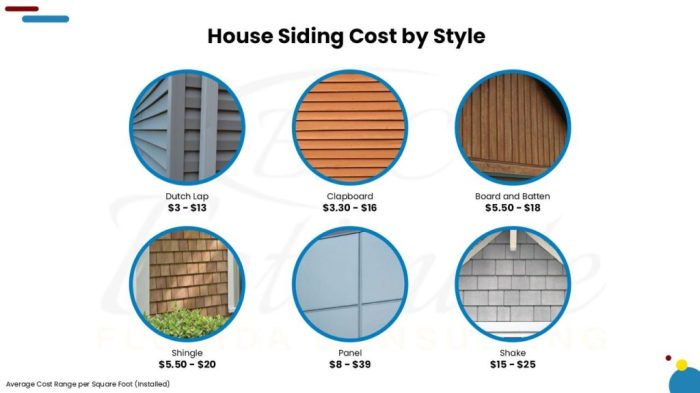
When it comes to the cost of siding per square foot, regional price variances play a significant role in determining how much homeowners can expect to pay for their siding projects. Factors such as supply and demand, cost of living, local regulations, and even climate can impact the average cost of siding in different regions.
Factors Influencing Regional Price Variances
- Supply and Demand: Areas with high demand for siding materials but limited supply may lead to higher prices.
- Cost of Living: Regions with a higher cost of living tend to have higher labor costs, which can impact the overall cost of siding installation.
- Local Regulations: Some regions have strict building codes or regulations that may require additional steps or materials, increasing the overall cost.
- Climate: Harsh weather conditions in certain regions may necessitate more durable siding materials, leading to higher costs.
Examples of Regional Price Variances
For instance, in the Northeastern United States where the cost of living is generally higher, homeowners may expect to pay more for siding compared to the Midwest. Similarly, coastal regions prone to hurricanes or strong winds may require impact-resistant siding materials, resulting in higher overall costs.
Additional Costs to Consider
When planning for a siding project, it’s crucial to take into account various additional costs that can impact the overall budget. These supplementary expenses can arise unexpectedly and should be factored in to ensure a smooth and successful project completion.
Permits and Regulations
- Obtaining permits: Before starting any siding project, it’s essential to check with local authorities and obtain the necessary permits. Permit costs can vary depending on the location and the scope of the project.
- Compliance with regulations: Some regions may have specific building codes and regulations that need to be followed when installing siding. Failure to comply with these regulations can result in fines or the need to redo the work.
Equipment Rentals
- Renting specialized equipment: Depending on the type of siding material chosen, you may need to rent specific tools or equipment for the installation process. These rental costs should be factored into the overall budget.
- Cost of equipment maintenance: In addition to rental fees, consider the maintenance costs associated with using rented equipment for the siding project.
Unforeseen Expenses
- Unexpected repairs: During the installation process, unforeseen issues may arise that require additional repairs or adjustments. It’s wise to set aside a contingency fund to cover any unexpected expenses.
- Weather delays: Adverse weather conditions can delay the siding project, leading to increased labor costs and potential rescheduling fees. Factor in potential weather-related delays when budgeting for the project.
Closing Summary
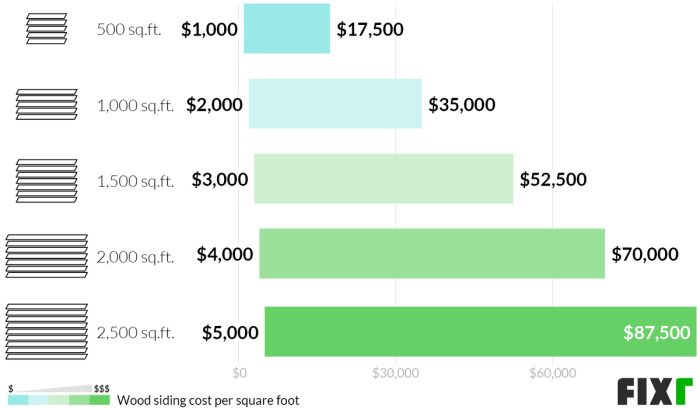
In conclusion, understanding the average siding cost per square foot is essential for anyone embarking on a siding project. By considering the factors discussed here, you can make informed decisions, manage your budget effectively, and ensure a successful outcome for your home improvement endeavor.
FAQs
What factors influence the cost of siding per square foot?
Factors such as material choice, design complexity, and geographic location can impact siding costs.
How do labor costs affect the overall price of siding?
Labor costs play a significant role in the total cost of a siding project, often accounting for a large portion of the expenses.
Why do siding costs vary by region?
Regional price variances can be attributed to differences in demand, labor costs, and material availability in different areas.
What are some additional costs to consider when budgeting for a siding project?
Permits, equipment rentals, and unexpected expenses like repairs or alterations can add to the total cost of a siding project.