Exploring the world of siding repair, this guide delves into the importance of maintaining your home’s structural integrity through proper upkeep. From common issues to DIY tips, this article covers it all.
Discover the nuances of different types of siding damage and learn how to identify signs of wear and tear before they escalate. Dive into cost considerations and preventative maintenance strategies to keep your siding in top condition.
Importance of Siding Repair
Ensuring that the siding of your home is well-maintained and repaired when necessary is crucial for preserving the structural integrity of your property. Siding serves as a protective barrier against various elements, and any damage to it can lead to more significant issues.
Common Issues from Lack of Maintenance
- Water Damage: When siding is compromised, water can seep into the walls of your home, leading to mold, mildew, and rot.
- Pest Infestation: Holes or cracks in siding can provide entry points for insects and rodents to enter your home.
- Decreased Energy Efficiency: Damaged siding can result in poor insulation, causing energy bills to increase as your HVAC system works harder to regulate temperature.
- Curb Appeal: Cracked or peeling siding can significantly impact the aesthetic appeal of your home, reducing its overall value.
Impact of Weather Conditions
The exposure to different weather conditions can accelerate the wear and tear on your home’s siding. Extreme heat, heavy rainfall, snow, and ice can all contribute to the deterioration of siding materials over time. Regular inspections and timely repairs are essential to combat these effects and maintain the longevity of your siding.
Types of Siding Damage
When it comes to siding damage, there are several types that can occur, each with its own impact on the overall condition of the siding. Recognizing these different types of damage is crucial in order to address them promptly and prevent further issues.
1. Cracks and Holes
Cracks and holes in siding can lead to water infiltration, which can cause rot, mold, and structural damage. These openings also provide entry points for pests, further compromising the integrity of the siding.
2. Warping and Buckling
Warping and buckling of siding can occur due to exposure to extreme weather conditions or improper installation. This type of damage not only affects the aesthetics of the property but can also impact the insulation and energy efficiency of the building.
3. Fading and Discoloration
Fading and discoloration of siding can be caused by prolonged exposure to sunlight, moisture, or certain chemicals. While this type of damage may not affect the structural integrity of the siding, it can detract from the overall appearance of the property.
4. Rot and Decay
Rot and decay are serious issues that can result from water damage or prolonged exposure to moisture. If left untreated, rot can spread and compromise the structural stability of the siding, posing a safety hazard.
5. Loose or Missing Pieces
Loose or missing pieces of siding can create gaps where water, pests, and debris can enter. This can lead to further damage and also diminish the curb appeal of the property.
DIY Siding Repair Tips
When it comes to small DIY siding repairs, it’s essential to have the right tools, materials, and safety precautions in place. By following these step-by-step tips, homeowners can tackle minor siding issues effectively and save on repair costs.
Basic Tools and Materials
- Hammer
- Nails
- Siding pieces (matching the existing siding)
- Caulk
- Utility knife
- Primer and paint (if needed)
Make sure to wear safety goggles, gloves, and a dust mask to protect yourself during the repair process.
Step-by-Step Guide
- Identify the damaged area and remove any loose or damaged siding pieces.
- Cut the replacement siding to fit the area using a utility knife.
- Apply caulk to the back of the new siding piece and press it into place.
- Secure the siding with nails, making sure to leave a small gap for expansion.
- Prime and paint the repaired area to match the existing siding.
Hiring Professionals for Siding Repair
When it comes to siding repair, hiring professionals can offer several benefits compared to attempting a DIY repair job. Not only do professionals have the expertise and experience to handle the repair effectively, but they can also ensure the job is done correctly and in a timely manner.
Benefits of Hiring Professionals
- Professional expertise and experience in handling siding repairs.
- Quality workmanship and assurance that the repair is done correctly.
- Timely completion of the repair without unnecessary delays.
- Access to specialized tools and materials for a professional finish.
Qualifications of a Reputable Siding Repair Contractor
- Licensing and insurance to operate in your area.
- Positive reviews and references from past clients.
- Experience in handling various types of siding materials.
- Clear communication and transparent pricing.
Tips for Finding the Right Professional
- Ask for recommendations from friends, family, or neighbors.
- Research online reviews and ratings of siding repair contractors in your area.
- Request quotes from multiple contractors to compare pricing and services offered.
- Ensure the contractor provides a written contract outlining the scope of work and timelines.
Cost Considerations for Siding Repair
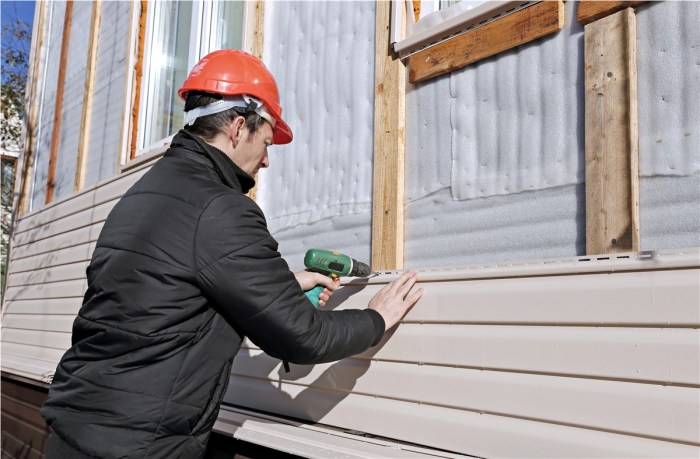
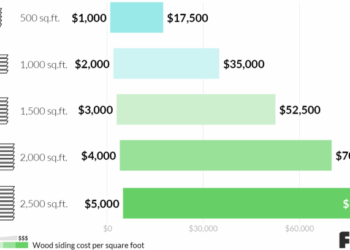
When it comes to siding repair, understanding the cost factors involved can help you budget and plan effectively. The cost of siding repair can vary depending on several factors, including the materials used, the extent of the damage, and whether you choose to hire professionals or tackle the repair yourself.
Factors Influencing the Cost of Siding Repair
- The type of siding material: Different siding materials come at different price points, with options like vinyl, wood, fiber cement, and metal having varying costs for repairs.
- Extent of damage: Minor repairs such as small cracks or holes will naturally cost less than extensive damage that requires full replacement or significant repairs.
- Accessibility: The location of the damaged siding on your property can impact the cost, especially if it requires special equipment or additional labor to reach.
- Local labor rates: Labor costs can vary depending on your location and the availability of skilled professionals for siding repair.
- Permit requirements: If your area requires permits for siding repair work, budgeting for these additional costs is essential.
Comparing the Cost of Different Siding Materials and Repair Methods
- Vinyl siding: Generally the most affordable option for repairs, with simple fixes being cost-effective.
- Wood siding: Can be more expensive to repair due to the higher cost of materials and labor for maintenance and replacement.
- Fiber cement siding: Offers durability but may have higher repair costs due to specialized tools and techniques needed for installation.
- Metal siding: While durable, repairs can be costly due to the specialized skills and equipment required for fixing metal panels.
Tips for Budgeting and Planning for Siding Repair Expenses
- Get multiple quotes from reputable siding repair professionals to compare costs and services offered.
- Consider the long-term benefits and durability of different siding materials when making repair decisions.
- Set aside a contingency fund for unexpected repairs or additional costs that may arise during the repair process.
- Regular maintenance can help prevent costly repairs in the future, so investing in upkeep can save you money over time.
Preventative Maintenance for Siding
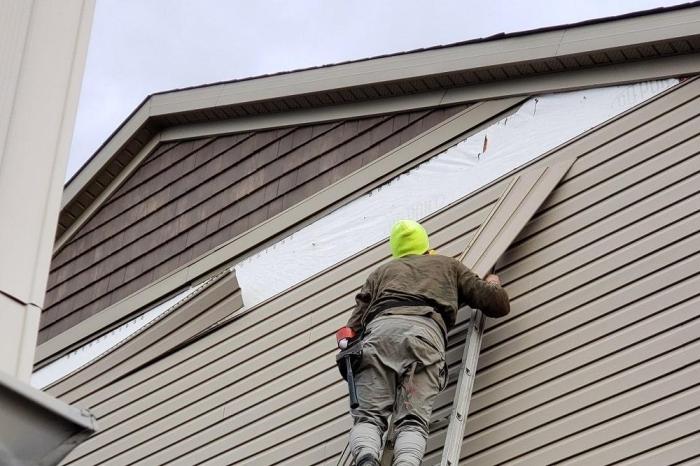
Regular maintenance is key to preventing siding damage and prolonging the lifespan of your home’s exterior. Cleaning and inspecting your siding on a regular basis can help identify issues early on and prevent costly repairs down the line.
Cleaning and Inspecting Siding Regularly
Regularly cleaning your siding can help prevent the buildup of dirt, mold, and mildew, which can cause damage over time. Use a soft brush or a pressure washer on a low setting to clean your siding at least once a year.
Inspect your siding for any signs of damage, such as cracks, peeling paint, or loose panels, and address them promptly to prevent further issues.
Tips for Extending the Lifespan of Siding
- Trim back trees and shrubs near your home to prevent branches from scratching or damaging the siding.
- Keep gutters clean and free of debris to prevent water from overflowing and causing water damage to your siding.
- Paint or seal your siding regularly to protect it from the elements and prolong its lifespan.
- Consider installing a vapor barrier behind your siding to prevent moisture from seeping in and causing damage.
End of Discussion
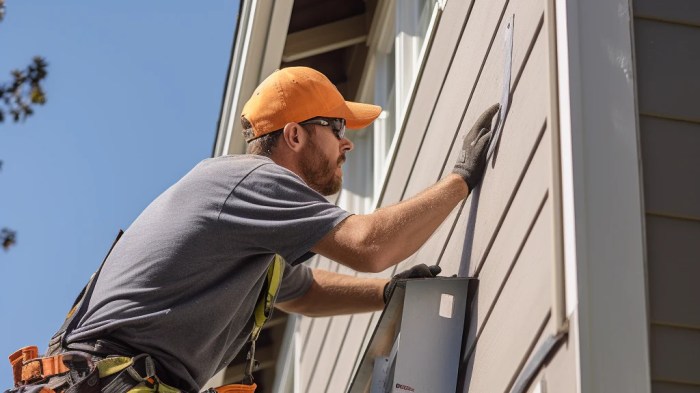
In conclusion, siding repair is a crucial aspect of home maintenance that should not be overlooked. By understanding the significance of proper upkeep, recognizing the signs of damage, and taking proactive measures, you can ensure your siding remains in optimal condition for years to come.
Common Queries
How often should I inspect my siding for damage?
It’s recommended to inspect your siding at least once a year, preferably in the spring or fall.
Can I paint over damaged siding instead of repairing it?
While painting can temporarily improve the appearance, it’s crucial to address the underlying damage to prevent further issues.
What are some common signs of water damage on siding?
Peeling paint, warping, or mold growth are typical signs of water damage that indicate the need for repairs.
Is it possible to replace a small section of damaged siding instead of the entire panel?
Yes, it’s possible to replace individual sections of siding if the damage is localized and not extensive.
How long does siding typically last before needing repairs?
The lifespan of siding varies depending on the material, maintenance, and weather conditions, but it can last anywhere from 20 to 40 years.