Delve into the world of siding companies as we uncover the various materials, installation processes, cost factors, and maintenance services they offer. This guide aims to provide a detailed insight into the realm of siding projects, offering valuable information for homeowners and enthusiasts alike.
From the types of siding materials to the intricacies of installation and maintenance, this guide covers it all in a manner that is both informative and engaging.
Types of Siding Materials
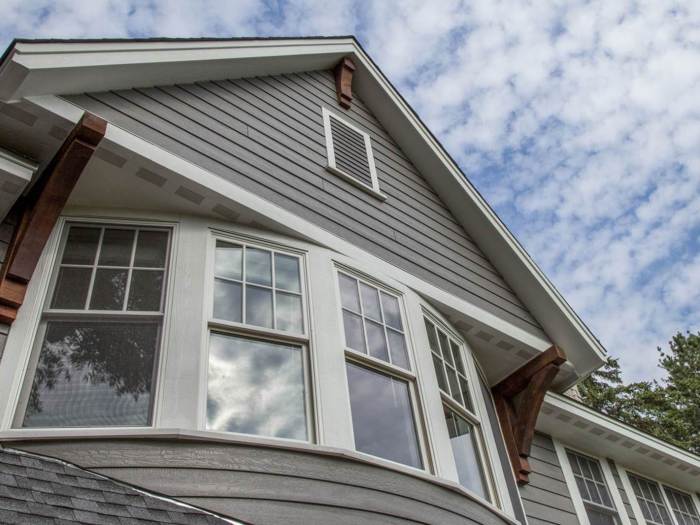
When it comes to siding materials, there are several options available to homeowners. Each material has its own unique characteristics, benefits, and considerations to take into account before making a decision.
Vinyl Siding
Vinyl siding is one of the most popular choices for homeowners due to its affordability and low maintenance requirements. It is durable, resistant to rot and pests, and comes in a wide range of colors and styles. However, vinyl siding can crack, fade, or become brittle over time, especially in extreme weather conditions.
Wood Siding
Wood siding provides a natural and classic look to a home. It is environmentally friendly, renewable, and can be painted or stained to match the homeowner’s preferences. However, wood siding requires regular maintenance to prevent rot, insect infestations, and warping.
It is also more susceptible to fire damage compared to other siding materials.
Fiber Cement Siding
Fiber cement siding is a durable and versatile option that can mimic the look of wood, stucco, or masonry. It is resistant to fire, insects, and rot, making it a low-maintenance choice for homeowners. However, fiber cement siding can be heavy and challenging to install, requiring professional help.
It also needs to be painted or resealed periodically to maintain its appearance.
Metal Siding
Metal siding, such as aluminum or steel, offers excellent durability and resistance to fire, insects, and rot. It is lightweight, easy to install, and requires minimal maintenance. However, metal siding can dent or scratch easily, especially in severe weather conditions.
It may also be more expensive upfront compared to other siding materials.Each siding material has its own set of pros and cons, so it’s essential for homeowners to consider their priorities, budget, and maintenance preferences when choosing the right option for their home.
Siding Installation Process
When it comes to installing siding on a residential property, there are several key steps involved to ensure a successful outcome. From preparation to finishing touches, each stage plays a crucial role in the overall process.Proper insulation is essential during the siding installation process.
Insulation helps to regulate temperature, improve energy efficiency, and protect the home from moisture and outside elements. Without adequate insulation, homeowners may experience issues such as drafts, higher energy bills, and potential water damage.
Common Steps in Siding Installation
- Preparation of the exterior walls, including cleaning and repairing any damage.
- Measurement and cutting of siding materials to fit the specific dimensions of the property.
- Installation of vapor barriers and insulation to ensure energy efficiency and protection.
- Placement and securing of siding panels or materials according to manufacturer guidelines.
- Finishing touches such as caulking, painting, or sealing to complete the installation.
Challenges Faced by Siding Companies
- Weather Conditions: Extreme temperatures or unexpected weather events can delay or impact the installation process.
- Structural Issues: Hidden damage or structural issues in the walls can complicate the installation and require additional repairs.
- Misalignment: Improperly aligned siding panels can affect the overall appearance and functionality of the siding.
- Material Availability: Delays in receiving or shortages of siding materials can disrupt the installation timeline.
Cost Factors and Estimates
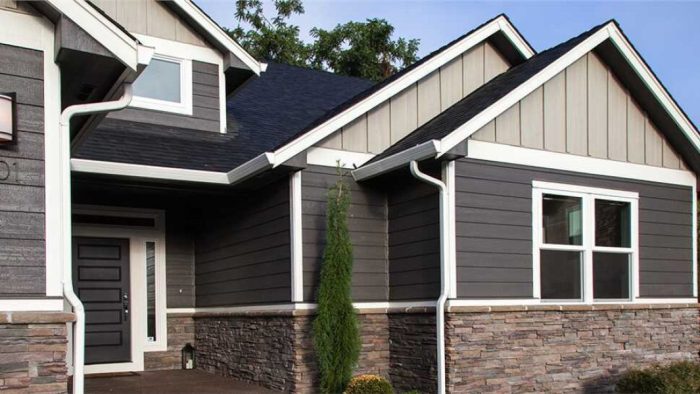
When it comes to siding projects, there are several key cost factors that can influence the overall pricing. Understanding these factors can help homeowners obtain accurate estimates from siding companies and plan their budget effectively.
Key Cost Factors
- The type of siding material chosen: Different siding materials come at varying price points, with options like vinyl, wood, fiber cement, and metal each having their own cost considerations.
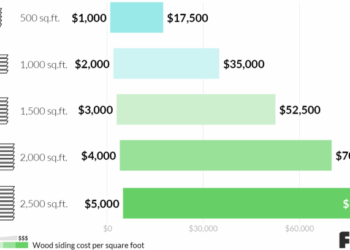
- Size of the project: The total square footage of the area to be covered by siding will directly impact the overall cost, as more materials and labor will be required for larger projects.
- Complexity of the project: Factors such as the number of corners, angles, and levels in the design can increase the complexity of the installation process, leading to higher costs.
- Additional features and customization: Any extra features like trim work, decorative elements, or unique design requests will add to the overall cost of the project.
Tips for Obtaining Accurate Estimates
- Get multiple quotes: Reach out to several siding companies to compare prices and services offered, ensuring you get a comprehensive understanding of the costs involved.
- Provide detailed information: Be clear about your requirements, including the size of the project, preferred materials, and any specific customization requests, to receive accurate estimates.
- Ask about warranties and guarantees: Inquire about the warranties provided by the siding company, as well as any guarantees on workmanship, to ensure you are covered in case of any issues in the future.
Impact of Size and Complexity
The size and complexity of a siding project can significantly impact the overall cost of installation. Larger projects will naturally require more materials and labor, leading to higher costs. Similarly, projects with intricate designs or features that require additional time and expertise will also incur higher expenses.
Homeowners should consider these factors when budgeting for their siding project to ensure they are prepared for any potential cost variations.
Maintenance and Repair Services
Proper maintenance and timely repairs are essential to ensure the longevity and appearance of your siding. Different types of siding materials have varying maintenance requirements, while common issues may arise that necessitate professional repair services.
Maintenance Requirements for Different Types of Siding Materials
- Vinyl Siding:Regular cleaning with a mild detergent and water can help prevent mold and mildew growth. Inspect for any cracks or loose panels that may need to be replaced.
- Wood Siding:Wood siding should be stained or painted every few years to protect it from moisture and rot. Inspect for signs of rot or insect damage regularly.
- Fiber Cement Siding:Rinse with water annually and inspect for any cracks or chips that may need to be repaired. Repainting every 10-15 years can help maintain its appearance.
- Aluminum Siding:Clean with a mixture of water and mild detergent to remove dirt and grime. Inspect for dents or scratches that may require professional repair.
Each type of siding material requires specific care to maintain its durability and aesthetic appeal:
Common Issues Requiring Repair
- Water Damage:Leaks or moisture infiltration can lead to rot and mold growth, requiring prompt repair to prevent further damage.
- Cracks and Gaps:These can compromise the integrity of the siding and should be addressed to maintain the structural integrity of your home.
- Pest Infestation:Insects or rodents can damage siding materials, necessitating repairs to prevent further infestation and structural damage.
Despite regular maintenance, siding may encounter common issues that need professional attention:
When to Seek Professional Help
- Extensive Damage:If your siding has significant damage or widespread issues, it’s best to consult with a professional for a thorough assessment and repair.
- Specialized Repairs:Tasks such as replacing large sections of siding or intricate repairs may be best handled by experienced professionals to ensure quality workmanship.
While some maintenance tasks can be done by homeowners, certain situations require the expertise of siding professionals:
Conclusive Thoughts
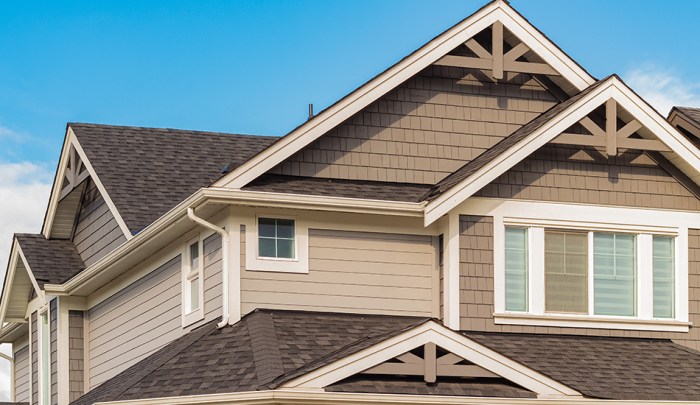
In conclusion, siding companies play a crucial role in enhancing the aesthetics and functionality of residential properties. With a focus on durability, cost-effectiveness, and environmental impact, choosing the right siding company can make all the difference. Dive into the world of siding projects armed with the knowledge gained from this comprehensive guide.
Quick FAQs
What are the common types of siding materials used by siding companies?
Siding companies typically work with materials such as vinyl, wood, fiber cement, and metal.
How can homeowners ensure accurate estimates from siding companies?
Homeowners can obtain accurate estimates by providing detailed information about the project scope and requirements.
When should homeowners seek professional help for siding maintenance and repairs?
Professional help should be sought when facing complex maintenance issues or significant repairs that require expertise.