In today’s competitive business landscape, implementing cost-saving measures is crucial for companies looking to improve their bottom line. From innovative strategies in technology to lean principles in manufacturing, this guide explores the diverse ways organizations can cut costs effectively. Let’s delve into the world of cost-saving measures and discover how they can revolutionize business operations.
As we explore successful strategies and their impact on financial health, readers will gain valuable insights into optimizing resources and maximizing profitability.
Cost Saving Measures in Business
Implementing cost-saving measures in business operations is crucial for maintaining a healthy financial status and ensuring long-term sustainability. By reducing unnecessary expenses and optimizing resources, companies can improve their bottom line and stay competitive in the market.
Examples of Successful Cost-Saving Strategies
- Outsourcing non-core functions to third-party providers to reduce operational costs.
- Implementing energy-efficient practices to lower utility bills and minimize environmental impact.
- Negotiating better deals with suppliers to secure discounts and bulk purchase savings.
- Investing in technology to automate processes and increase efficiency, reducing labor costs.
Impact of Cost-Saving Measures
Cost-saving measures have a significant impact on the overall financial health of a business. By cutting unnecessary expenses and optimizing resources, companies can improve profitability, reinvest in growth opportunities, and build financial resilience. These measures also enhance operational efficiency and help businesses adapt to market changes more effectively.
Cost Saving Measures in Manufacturing
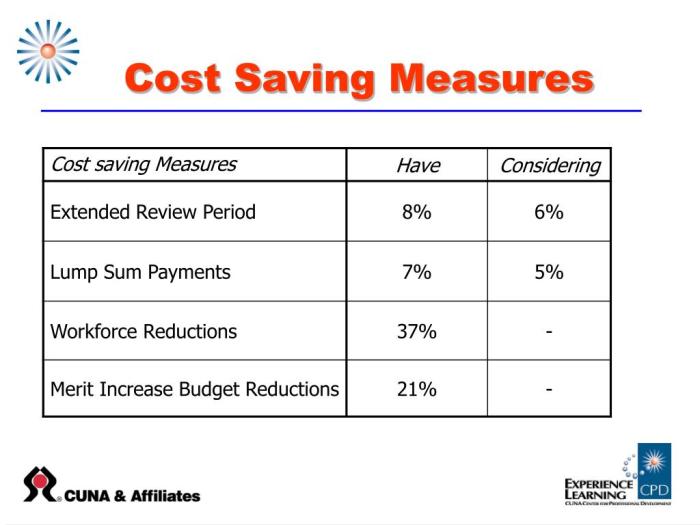
Manufacturing companies are constantly looking for ways to cut costs without sacrificing quality. By implementing various cost-saving techniques, businesses can increase their profitability and remain competitive in the market. In this section, we will explore different strategies used in the manufacturing industry to reduce expenses and improve efficiency.
Automation in Manufacturing
Automation has revolutionized the manufacturing sector by streamlining processes, reducing labor costs, and improving productivity. By replacing manual labor with machines and robots, companies can significantly cut down on production costs and minimize errors. This modern approach not only saves time but also enhances overall operational efficiency.
Lean Manufacturing Principles
Lean manufacturing focuses on eliminating waste and optimizing resources to enhance value for customers. By implementing lean principles such as just-in-time production, continuous improvement, and value stream mapping, companies can identify and eliminate inefficiencies in their processes. This results in reduced lead times, lower inventory holding costs, and increased productivity.
Energy Efficiency in Manufacturing
Energy costs can constitute a significant portion of manufacturing expenses. By investing in energy-efficient technologies and practices, companies can lower their utility bills and reduce their carbon footprint. Implementing energy-saving measures like LED lighting, efficient machinery, and renewable energy sources can lead to substantial cost savings in the long run.
Cost Saving Measures in Technology
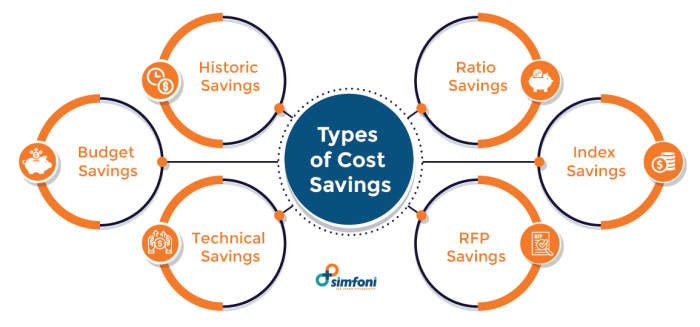
In today’s competitive business landscape, technology companies are constantly seeking ways to reduce costs while maintaining high-quality products and services. By adopting innovative cost-saving measures, these companies can optimize their operations and remain competitive in the market.
Role of Cloud Computing in Reducing IT Infrastructure Expenses
Cloud computing has revolutionized the way technology companies manage their IT infrastructure. By leveraging cloud services, companies can significantly reduce costs associated with hardware maintenance, software updates, and data storage. The pay-as-you-go model of cloud computing allows companies to scale their resources based on demand, eliminating the need for expensive upfront investments in hardware and software.
Additionally, cloud services offer enhanced security measures and automated backups, reducing the risk of data loss and minimizing downtime.
Outsourcing Certain Tech Functions for Cost Savings
Outsourcing certain tech functions, such as software development, IT support, and data management, can lead to significant cost savings for technology companies. By partnering with specialized service providers, companies can access top talent and advanced technologies without the overhead costs of hiring and training in-house staff.
Outsourcing also allows companies to focus on their core competencies while reducing operational expenses and improving efficiency. Moreover, outsourcing can provide access to global markets and round-the-clock support, enhancing the overall competitiveness of technology companies in the industry.
Cost Saving Measures in Healthcare
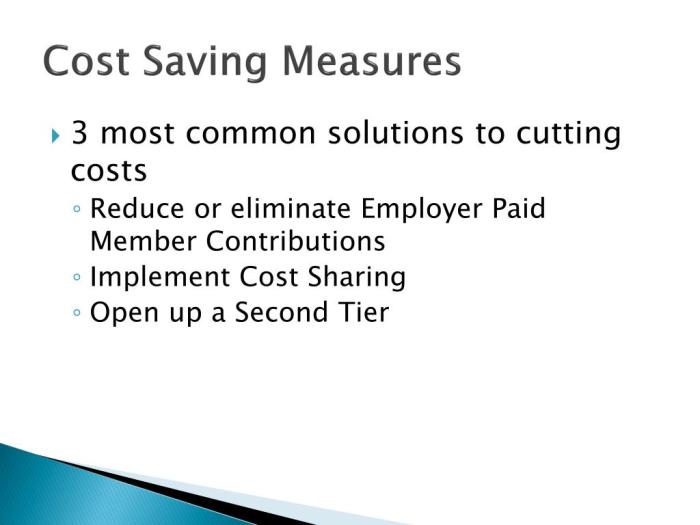
Healthcare costs continue to rise, putting pressure on hospitals to find ways to reduce expenses without compromising the quality of care. Implementing cost-saving measures in healthcare is crucial to optimize healthcare delivery, reduce long-term healthcare costs, and ensure financial sustainability in the industry.
Impact of Preventive Care Initiatives
Preventive care initiatives play a significant role in reducing long-term healthcare costs by focusing on early detection and management of chronic diseases. By promoting healthy lifestyles, conducting regular screenings, and providing vaccinations, hospitals can prevent costly medical interventions and hospitalizations down the line.
Investing in preventive care not only improves patient outcomes but also saves healthcare organizations money by reducing the need for expensive treatments and procedures.
Efficient Supply Chain Management
Efficient supply chain management is essential in healthcare for cost savings. By streamlining procurement processes, optimizing inventory management, and negotiating favorable contracts with suppliers, hospitals can reduce expenses associated with medical supplies, equipment, and pharmaceuticals. Implementing technology solutions like inventory tracking systems and automated ordering can help healthcare facilities minimize waste, prevent stockouts, and lower overall supply chain costs.
End of Discussion

From healthcare to technology, the realm of cost-saving measures offers a wealth of opportunities for organizations to thrive in a cost-effective manner. By embracing these strategies, businesses can navigate economic challenges with resilience and foresight, ensuring long-term success and sustainability.
Question & Answer Hub
How can cost-saving measures impact a business’s financial health?
Implementing cost-saving measures can lead to improved profitability, reduced operational expenses, and increased competitiveness in the market.
What role does cloud computing play in reducing IT infrastructure expenses?
Cloud computing enables businesses to eliminate the need for costly on-premise hardware and software, resulting in significant cost savings and scalability.
How can lean manufacturing principles help reduce costs effectively?
Lean manufacturing focuses on eliminating waste and optimizing processes, leading to streamlined operations, reduced production costs, and enhanced efficiency.