Embark on a journey into the world of home siding installation, where every detail matters and every decision shapes the outcome. From choosing the right materials to tackling common challenges, this guide covers it all.
Overview of Home Siding Installation
Home siding plays a crucial role in protecting the exterior of a house from the elements, improving insulation, and enhancing curb appeal. It not only adds aesthetic value but also increases the overall value of the property.
Types of Siding Materials
- Vinyl: Known for its durability, low maintenance, and affordability.
- Fiber Cement: Offers a wood-like appearance with high resistance to fire, insects, and rot.
- Wood: Provides a natural and timeless look but requires more maintenance to prevent rot and pests.
- Aluminum: Lightweight and resistant to corrosion, ideal for coastal areas.
- Stone Veneer: Mimics the look of natural stone without the weight and cost.
Benefits of Professional Installation vs. DIY
While some homeowners may opt for a DIY approach to save costs, professional siding installation offers several advantages:
-
Expertise: Professional installers have the knowledge and experience to ensure proper installation, minimizing errors and potential issues.
-
Efficiency: Professionals work more efficiently, completing the project in a timely manner while maintaining quality.
-
Warranty: Most professional installations come with warranties that provide peace of mind and protection against defects.
-
Safety: Professional installers follow safety protocols to prevent accidents or injuries during the installation process.
Pre-Installation Considerations
Before embarking on the home siding installation process, there are several key factors that need to be considered to ensure a successful outcome. Proper planning and preparation are crucial to avoid any potential issues down the line.Proper Measurements and Calculations:
Importance of Accurate Measurements
- Ensuring precise measurements of your home’s exterior is essential to determine the amount of siding material needed.
- Incorrect measurements can lead to wasted materials, delays, and additional costs during the installation process.
- Consider hiring a professional to take accurate measurements if you are unsure of how to do so yourself.
Choosing the Right Siding Material:
Matching Siding Material to Climate
- It’s crucial to select a siding material that can withstand the specific climate conditions of your area.
- For example, vinyl siding is a popular choice for its durability and low maintenance, making it suitable for various climates.
- Consider factors such as temperature variations, humidity levels, and exposure to harsh weather when choosing the right siding material.
Preparation and Planning
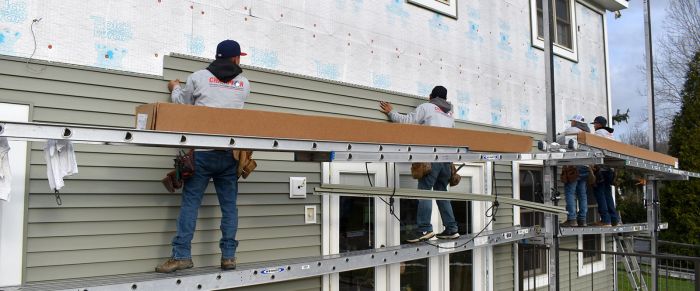
When it comes to home siding installation, proper preparation and planning are crucial for a successful project. This phase sets the foundation for the entire installation process, ensuring that everything runs smoothly and efficiently.
Step-by-Step Guide on Preparing the Exterior Wall
- Clean the exterior wall thoroughly to remove any dirt, debris, or old paint. A clean surface is essential for proper adhesion of the siding.
- Inspect the wall for any damage, such as rot or mold. Repair or replace any damaged areas before proceeding with the installation.
- Apply a weather-resistant barrier, such as house wrap or building paper, to provide an additional layer of protection against moisture.
- Install flashing around windows, doors, and corners to prevent water infiltration and ensure a watertight seal.
Tools and Materials Needed for the Installation Process
- Vinyl siding panels
- Siding nails or screws
- Hammer or nail gun
- Tape measure and level
- Circular saw or snips for cutting siding
- J-channel and utility trim
Importance of Creating a Detailed Installation Plan
Creating a detailed installation plan helps you stay organized and on track throughout the project. It allows you to anticipate any challenges or obstacles that may arise and develop strategies to overcome them. By having a clear plan in place, you can ensure that the installation process is efficient, effective, and completed to the highest standards.
Siding Installation Process
Installing home siding involves several key steps to ensure a successful outcome. From preparing the surface to securing the siding panels, each step plays a crucial role in the overall installation process. Let’s dive into the details of the siding installation process, common challenges faced, and tips for a seamless and professional installation.
Surface Preparation
Before installing the siding, it is essential to prepare the surface properly. This includes cleaning the walls, removing any existing siding or trim, and repairing any damaged areas. Proper surface preparation ensures that the siding adheres correctly and provides a smooth finish.
Siding Panel Installation
Once the surface is prepared, the next step is to start installing the siding panels. Begin at the bottom of the wall and work your way up, ensuring each panel is level and properly aligned. Use a level to check for accuracy and make adjustments as needed.
Secure the panels according to the manufacturer’s instructions, making sure to leave room for expansion and contraction.
Trim Installation
After the siding panels are in place, it’s time to install the trim pieces. Trim helps to finish the edges and corners of the siding, providing a polished look. Cut the trim pieces to size and secure them in place using appropriate fasteners.
Make sure the trim pieces are properly aligned and level for a professional finish.
Common Challenges and Tips
Warped or Uneven Surfaces
If the wall surface is uneven or warped, consider using furring strips to create a level base for the siding.
Incorrect Installation
Follow the manufacturer’s instructions carefully to avoid common installation mistakes and ensure a proper fit.
Weather Conditions
Install siding on a dry, moderate-temperature day to prevent issues with expansion or contraction.
Quality Tools
Use high-quality tools and equipment to make the installation process smoother and more efficient.
Finishing Touches and Maintenance
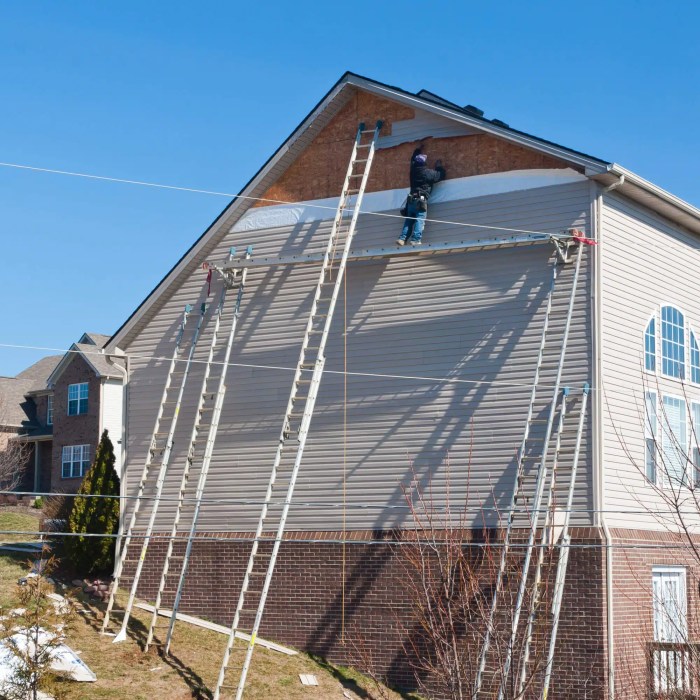
After the siding installation is complete, it’s important to focus on the finishing touches and ongoing maintenance to ensure the longevity and appearance of your home’s exterior.
Importance of Finishing Touches
- Proper caulking around windows, doors, and other openings helps prevent water infiltration, which can cause damage to the siding and underlying structure.
- Painting the siding not only enhances the curb appeal of your home but also provides an added layer of protection against the elements, extending the lifespan of the siding.
Maintenance Tips
- Regularly inspect the siding for signs of damage, such as cracks, warping, or discoloration, and address any issues promptly to prevent further damage.
- Clean the siding at least once a year using a mild detergent and a soft brush or cloth to remove dirt, mold, and mildew that can accumulate over time.
- Trim any overhanging branches or vegetation near the siding to prevent damage from scratches, moisture retention, or pest infestations.
Common Issues and Solutions
- If you notice any gaps in the caulking, reapply caulk to seal the openings and prevent water intrusion.
- Address any paint peeling or chipping by sanding the affected area, applying a primer, and repainting to maintain the protective barrier on the siding.
- Inspect for signs of mold or mildew growth and clean the affected areas with a mixture of water and bleach to prevent further spread.
Last Recap
As we conclude this exploration of home siding installation, remember that attention to detail and proper maintenance are key to a beautiful and long-lasting exterior. Let your home shine with pride, knowing you’ve mastered the art of siding installation.
FAQ Summary
What factors should be considered before starting the installation process?
Before starting, consider the climate, architectural style of your home, budget, and maintenance requirements.
What tools and materials are needed for home siding installation?
You’ll need siding panels, nails, hammer, level, tape measure, utility knife, and caulking gun, among other tools.
How can I ensure a professional-looking siding installation?
Focus on proper measurements, meticulous planning, and attention to detail during the installation process.
What are some common maintenance tips to prolong the lifespan of home siding?
Regularly clean the siding, inspect for damage, repaint when needed, and address any issues promptly to prevent further damage.
How do I spot and address common issues with home siding?
Look for signs of warping, rotting, or discoloration, and consult a professional if you notice any significant damage.