Embark on a journey to explore the world of house siding. From the variety of materials to installation processes, this guide will provide you with all the essential information you need to make informed decisions for your home.
Types of House Siding
Vinyl, wood, fiber cement, and aluminum are some of the common materials used for house siding. Each type has its own set of pros and cons, making it important to choose the right one based on your preferences and needs.
Vinyl Siding vs. Wood Siding
- Vinyl Siding:
- Pros:
- Low maintenance
- Cost-effective
- Available in various colors and styles
- Cons:
- Prone to cracking and fading over time
- Not as environmentally friendly as wood
- May not have the same aesthetic appeal as wood
- Pros:
- Wood Siding:
- Pros:
- Natural and traditional look
- Durable and long-lasting if properly maintained
- Can be painted or stained for a customized look
- Cons:
- Higher maintenance requirements
- Susceptible to rot, pests, and weather damage
- Generally more expensive than vinyl siding
- Pros:
Fiber Cement Siding vs. Aluminum Siding
- Fiber Cement Siding:
- Benefits:
- Durable and resistant to fire, pests, and rot
- Low maintenance and long-lasting
- Available in different textures resembling wood or stucco
- Benefits:
- Aluminum Siding:
- Pros:
- Lightweight and easy to install
- Resistant to corrosion and rust
- Can be painted in various colors
- Cons:
- Prone to denting and scratching
- May not provide as much insulation as other materials
- Can be more expensive than vinyl siding
- Pros:
Factors to Consider When Choosing House Siding
Durability is a crucial factor to consider when selecting house siding. The material used for siding should be able to withstand various weather conditions and resist damage over time. This ensures that the exterior of your home remains attractive and protected for years to come.
Impact of Climate on Siding Material
The climate of the area where your house is located plays a significant role in determining the most suitable siding material. For example, areas with high humidity may require siding that is resistant to mold and rot, while regions with extreme temperature variations might benefit from insulated siding to improve energy efficiency.
Maintenance Requirements for House Siding
Maintenance requirements should also be taken into account when choosing house siding. Some materials may require frequent painting or sealing to maintain their appearance and protective qualities, while others are more low-maintenance but may come at a higher initial cost.
Consider your willingness and ability to perform regular upkeep when making your decision.
Installation Process for House Siding
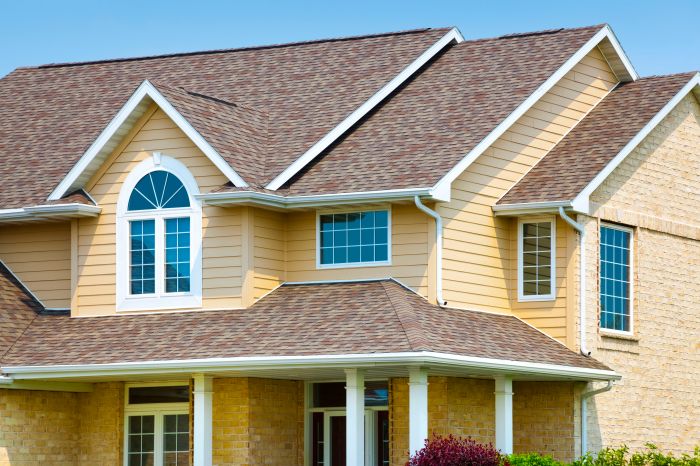
When it comes to installing house siding, there are specific steps involved in preparing the house, tools and equipment required, and common challenges that may arise during the installation process.
Preparing the House for Siding Installation
- Clean the exterior walls thoroughly to remove any dirt, debris, or old paint that may interfere with the siding installation.
- Inspect the walls for any damages or rot that need to be repaired before installing the siding.
- Apply a weather-resistant barrier to protect the walls from moisture and water damage.
- Measure and cut the siding panels to fit the dimensions of the house accurately.
Tools and Equipment Needed for Installing House Siding
- Hammer and nails or a nail gun for attaching the siding panels to the walls.
- Saw or siding cutter for cutting the panels to the correct size.
- Level and chalk line to ensure the siding is installed straight and evenly.
- Ladder or scaffolding for reaching higher areas of the house.
Common Challenges During Installation
- Uneven walls or surfaces can make it challenging to install the siding properly and may require additional preparation.
- Weather conditions such as rain or extreme heat can affect the installation process and may need to be rescheduled for optimal conditions.
- Matching the color and style of the siding panels to the existing aesthetic of the house can be a challenge, especially with older homes.
Maintenance and Care for House Siding
Proper maintenance and care are essential to ensure the longevity and appearance of your house siding. Regular cleaning, inspections, and repairs can help keep your siding in top condition for years to come.
Tips for Cleaning Different Types of House Siding
It’s important to clean your house siding regularly to prevent dirt, grime, and mold buildup. Here are some tips for cleaning different types of house siding:
- Vinyl Siding:Use a mixture of water and mild detergent to scrub vinyl siding. Avoid using harsh chemicals or abrasive tools that can damage the surface.
- Wood Siding:Wood siding should be cleaned with a soft brush and a solution of water and mild soap. Avoid power washing wood siding, as it can cause damage.
- Brick Siding:Brick siding can be cleaned with a mixture of water and white vinegar. Use a soft brush to scrub the bricks gently.
Importance of Regular Inspections for Maintaining House Siding
Regular inspections of your house siding can help identify any issues early on and prevent costly repairs in the future. Here’s why regular inspections are important:
- Identify signs of mold, mildew, or rot that can compromise the integrity of your siding.
- Detect any cracks, holes, or loose panels that need immediate attention to prevent further damage.
- Ensure that the siding is properly sealed and weatherproof to protect your home from the elements.
Techniques for Repairing Damaged House Siding
If you notice any damage to your house siding during inspections or cleaning, it’s essential to address it promptly. Here are some techniques for repairing damaged house siding:
- Cracks or Holes:Fill in cracks or holes with a suitable caulking material or putty to prevent moisture from seeping in.
- Loose Panels:Secure loose panels by reattaching them with screws or nails. Make sure to seal the edges properly to prevent water infiltration.
- Rot or Mold:If you discover rot or mold on your siding, remove the affected area and replace it with new siding to prevent further spreading.
Final Review
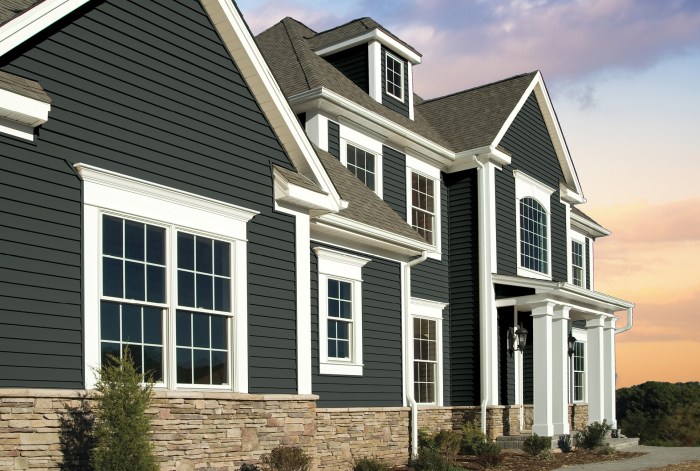
In conclusion, house siding is not just about aesthetics but also about durability and maintenance. By understanding the different types, factors to consider, installation process, and maintenance tips, you are well-equipped to keep your home looking beautiful and well-protected for years to come.
FAQ Section
What are the main types of house siding materials?
House siding materials include vinyl, wood, fiber cement, and aluminum.
How does climate impact the choice of siding material?
The climate of an area can determine the level of durability needed in a siding material to withstand weather conditions.
What are some common challenges during house siding installation?
Common challenges include ensuring proper alignment, cutting angles correctly, and dealing with uneven surfaces.
Why is regular inspection important for maintaining house siding?
Regular inspections help identify any damage early on, allowing for timely repairs and preventing further issues.
How can damaged house siding be repaired?
Depending on the extent of the damage, repairs may involve patching, replacing sections, or repainting the siding.